
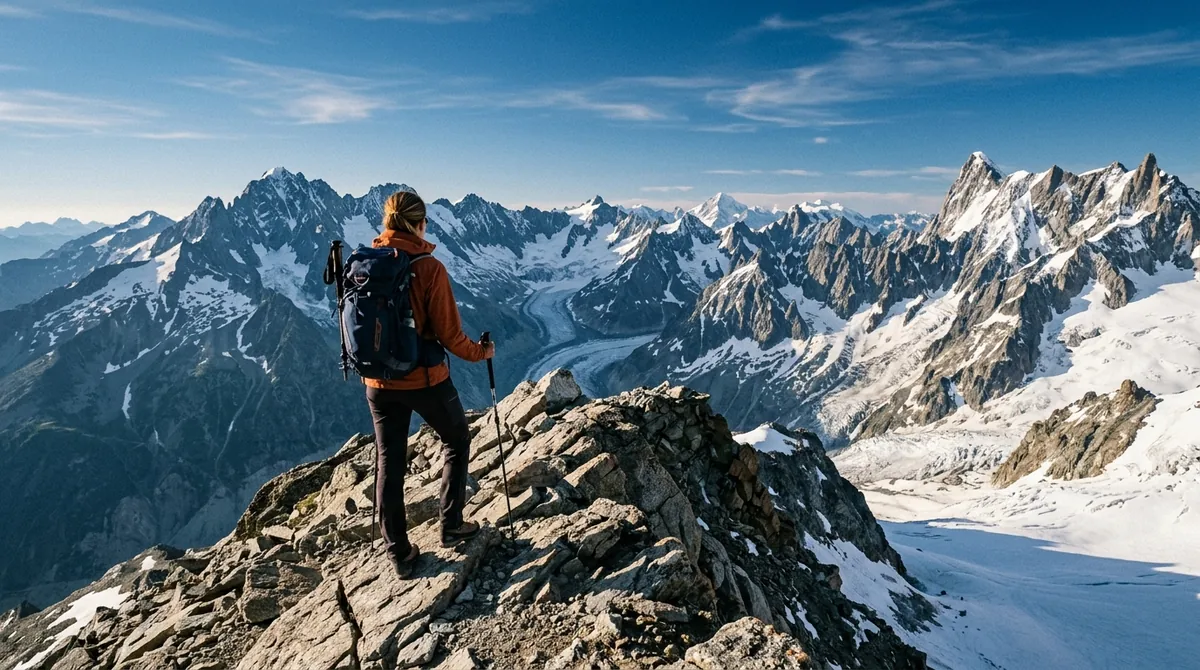
Ascending into high-altitude mountain environments (elevations exceeding 2,500 meters or 8,000 feet) exposes the human body to progressive hypobaric hypoxia. While the percentage of oxygen in atmospheric air remains constant at roughly 20.9% at all terrestrial elevations, barometric atmospheric pressure drops exponentially with altitude. At 3,600 meters (12,000 feet), ambient barometric pressure is only 65% of sea-level pressure, reducing the effective alveolar oxygen pressure gradient and driving systemic hypoxemia. Failing to respect physiological acclimatization thresholds invites serious altitude illness, progressing rapidly from debilitating headaches to life-threatening pulmonary or cerebral edema.
The Spectrum of Altitude Illness: From AMS to HAPE and HACE
Altitude illness manifests across three progressive clinical presentations:
1. Acute Mountain Sickness (AMS)
A benign but incapacitating syndrome analogous to an extreme hangover. Diagnosed via the standardized Lake Louise Scoring System, requiring the presence of a headache accompanied by at least one other symptom: fatigue, gastrointestinal distress (nausea/vomiting), dizziness, or insomnia.
2. High Altitude Pulmonary Edema (HAPE)
The leading cause of death from altitude illness. Hypoxia induces uneven pulmonary vasoconstriction, dramatically elevating pulmonary capillary pressures. This mechanical pressure ruptures delicate capillary-alveolar membranes, flooding air sacs with fluid. Symptoms include persistent dry cough progressing to pink frothy sputum, marked dyspnea at rest, central cyanosis, and bubbling chest rales.
3. High Altitude Cerebral Edema (HACE)
A critical neurological emergency resulting from hypoxia-induced cerebral vasodilation and breakdown of the blood-brain barrier, causing intracranial brain swelling. Symptoms include severe lethargy, confusion, hallucinations, and classic ataxia (inability to walk heel-to-toe in a straight line). HACE is universally fatal within 12 to 24 hours without immediate descent.
| Clinical Stage | Elevation Threshold | Core Diagnostic Markers | Mandatory Immediate Action |
|---|---|---|---|
| Mild AMS | 2,500 – 3,500 m | Headache, nausea, fatigue, sleep disruption | Halt ascent; rest at current elevation; hydration & NSAIDs |
| Severe AMS | 3,500 – 4,500 m | Intractable vomiting, severe throbbing headache | Cease ascent; descend 500–1,000 m; consider Acetazolamide |
| HAPE | 3,000+ m | Extreme resting dyspnea, blue lips, rales, wet cough | EMERGENCY IMMEDIATE DESCENT; supplemental $O_2$, Nifedipine |
| HACE | 3,500+ m | Ataxia (stumbling), confusion, altered mental state | EMERGENCY IMMEDIATE DESCENT; Dexamethasone, hyperbaric bag |
The Golden Rules of Acclimatization
Physiological acclimatization cannot be rushed through sheer physical fitness; marathon runners and couch potatoes succumb to AMS at identical statistical rates. Acclimatization requires time for renal bicarbonate excretion to compensate for hyperventilation-induced respiratory alkalosis, stimulating increased erythropoietin (EPO) production to boost red blood cell count.
The Wilderness Medical Society mandates three cardinal operational rules:
- Sleep Low, Climb High: Once above 3,000 meters (10,000 feet), limit your net sleeping elevation gain to 300 to 500 meters (1,000 to 1,600 feet) per 24-hour cycle. You may hike higher during the daytime, provided you descend back down to sleep.
- Mandatory Rest Days: Include an extra rest day at the same sleeping elevation every 3 to 4 days, or every 1,000 meters of total elevation gain.
- Never Ascend with Symptoms of AMS: It is completely acceptable to experience mild AMS at a new camp; it is medically negligent to ascend to a higher sleeping altitude while experiencing unresolved symptoms.
Pharmacological Prophylaxis: Acetazolamide (Diamox)
For rapid unavoidable ascents (such as flying into Cusco, Peru at 3,400 m or Lhasa, Tibet at 3,650 m), pharmacological prophylaxis is clinically validated:
- Acetazolamide (Diamox): A carbonic anhydrase inhibitor that forces the kidneys to excrete bicarbonate in urine. This mild metabolic acidosis stimulates the brainstem respiratory center to increase ventilation rate, even during sleep, effectively accelerating natural acclimatization. Recommended adult dosage is 125 mg twice daily, initiated 24 hours prior to ascent.
- Hydration Discipline: High altitude drives intense respiratory fluid loss through rapid hyperventilation of bone-dry mountain air. Consume 3 to 4 liters of fluid daily; ensure urine remains pale and clear, avoiding alcohol and sedatives that suppress respiratory drive during sleep.